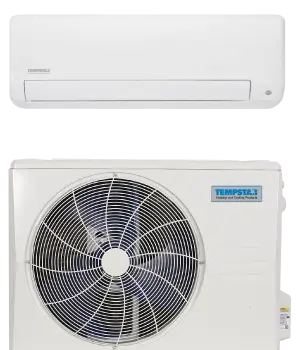
Ductless Mini-Split Repair & Service in Des Moines, IA
Your mini-split system isn't cooling or heating like it should—and you want it fixed without the guesswork. Obsidian Heating and Cooling has been diagnosing and repairing ductless mini-split systems since 2009. Unlike central AC, mini-split failures are often invisible: the compressor might be running but not cooling, refrigerant might be leaking silently into the atmosphere, or the reversing valve might be stuck halfway between heating and cooling. We're Tempstar Elite Dealers with manufacturer training and direct factory support, which means we have the specialized knowledge and diagnostic tools to identify mini-split failures quickly and accurately. Our veteran-owned team delivers honest repair recommendations and fast service to get your system running again.

Up to 15-Year Warranty
Parts & Labor
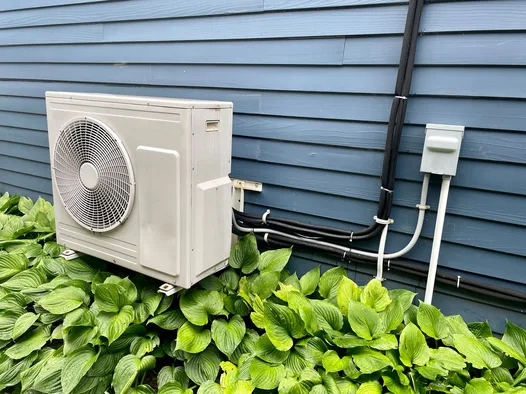
What Sets Our Mini-Split Repair Service Apart
Get Fast Mini-Split Repair Service
Don't suffer in discomfort. Contact us for same-day or emergency service:
Warning Signs Your Mini-Split Needs Professional Service
Indoor Unit Not Responding to Remote Control
If you press buttons on the remote and nothing happens—no beep, no fan activation, nothing—the issue could be batteries in the remote, a failed receiver in the indoor unit, or an electrical problem with the wall unit. Start simple: replace the remote batteries. If that doesn't work, the indoor unit's control board or wireless receiver might have failed. Our technicians can test both the remote and the receiver to identify which is the culprit.
System Running But No Cooling or Heating Output
This is the most common mini-split repair call. The indoor unit fan is running, but air coming from the unit isn't cooler or warmer than room temperature. The problem could be low refrigerant (from a leak), a frozen indoor coil (usually from low airflow or refrigerant), a failed expansion valve (metering device), a reversed reversing valve (if it's a heating mode), or a malfunctioning compressor. We'll test system pressures and operating mode to pinpoint the exact cause in minutes.
Strange Noises or Vibrations from the Unit
Hissing from the outdoor unit usually indicates a refrigerant leak. Screaming or high-pitched noises suggest a failing compressor or expansion valve issue. Grinding or rattling from the indoor unit might indicate a fan blade hitting the housing, debris in the airstream, or a loose component. Chattering from the outdoor unit could be a refrigerant circulation problem. None of these should be ignored—they're signals that something is deteriorating, and running the system while failing accelerates damage.
Water Leaking from the Indoor Unit or Condensate Line
The indoor unit produces condensation—water that should drain through the condensate line to the outdoors or to a floor drain. If water is leaking from the unit itself, the condensate pan might be clogged or the drain line might be blocked. This is often fixable with cleaning. If the problem persists, the unit might have an internal component failure affecting airflow. We'll identify the source and recommend the fix.
Outdoor Unit Not Running (No Humming, No Compressor Activity)
If the indoor unit is responding but the outdoor condenser isn't running, several things are possible. The contactor (outdoor relay) might be stuck or failed. The capacitor (startup component) might be blown. Electrical supply might be cut. A refrigerant isolation valve might be closed. Or the compressor might have failed internally. We'll test electrical supply, components, and the compressor itself to pinpoint the problem.
System Cycling Rapidly Between Modes or Short-Cycling
If a reversible mini-split is constantly switching between heating and cooling, or if it's turning on and off every few minutes, the reversing valve might be stuck, the control board might be malfunctioning, or there might be a refrigerant flow issue. Constant cycling wastes energy and damages the compressor. We'll test the reversing valve operation and control logic to identify the cause.
How We Diagnose and Repair Your Mini-Split System
From initial assessment to final testing, every step is handled with precision and expertise. Here's what to expect when you choose Obsidian Heating and Cooling for your mini-split repair.
Remote Control & Unit Response Assessment
When you call with a mini-split failure, we ask: Is the indoor unit responding to the remote at all? Can you see any display or lights? Is the outdoor unit running? These quick questions tell us whether the problem is electrical, control-related, or mechanical. When the technician arrives, they'll first test the remote response—pressing buttons and listening for beeps from the indoor unit. This quick check often identifies control-related issues immediately.
We'll also check the unit's display panel for error codes. Different manufacturers use different codes, but they often indicate specific failures: low refrigerant, compressor overload, sensor failure, etc. Error codes give us diagnostic direction before we even open the toolbox.
What We Check
Remote Battery Condition
Verify battery condition and response signals.
Error Code Display
Check indoor unit display for error codes or status indicators.
Outdoor Unit Activity
Listen for outdoor unit compressor activity (or lack thereof).
Airflow Measurement
Measure airflow at the indoor unit vents.
Refrigerant System Access
Assess refrigerant system access (line isolation valves, gauge ports).
Electrical Supply
Verify electrical supply to both indoor and outdoor units.
Refrigerant System Pressure Testing (Different than Central AC)
Mini-split pressure testing is trickier than central AC because the compressor is outdoors and the evaporator is indoors, connected by long line sets. We attach gauges at the outdoor unit's service ports and measure pressures. But because the lines are much longer than central AC systems, pressures behave differently. We measure both low and high side pressure and compare to specifications—factoring in the additional line volume.
Low pressures indicate a refrigerant leak somewhere in the line set or indoor coil. High pressures might indicate blockage in the line or expansion valve. We also measure temperature differentials: air coming into the indoor unit vs. air exiting should show a significant drop in cooling mode. Small differentials mean the refrigerant system isn't functioning properly.
If we suspect a leak, we use electronic leak detectors to pinpoint the location. Line set leaks are sometimes repairable (if at a brazed fitting), but coil leaks usually require coil or unit replacement—which we'll discuss honestly.
Testing Process
Pressure Measurement
Measure low and high refrigerant pressures at the outdoor unit.
Line Set Length Factor
Account for line set length in pressure interpretation.
Temperature Differential
Measure temperature differential across the indoor coil.
Leak Detection
Test for leaks using electronic detection methods.
Expansion Valve Test
Verify expansion valve operation by observing pressure response.
Baseline Documentation
Document baseline pressures for future service reference.
Control Board & Reversing Valve Testing (If Applicable)
If the mini-split is reversible (heating and cooling), the reversing valve and its control solenoid are critical. We test electrical continuity at the solenoid to confirm it's receiving a control signal from the board. We also listen for the solenoid click when the system switches modes—this acoustic clue tells us whether the solenoid is energizing. If the solenoid energizes but the valve doesn't switch, the valve is stuck and needs replacement.
We also test the control board itself. If it's failing to activate the solenoid, send signals to the compressor, or respond to the remote, the board is likely the culprit. Control board failures are common in older systems and usually require replacement—but it's an affordable fix compared to compressor failure.
Testing Components
Electrical Continuity
Test electrical continuity at the reversing valve solenoid.
Control Signal Voltage
Verify control signal voltage reaching the solenoid.
Solenoid Activation
Listen for solenoid activation clicks during mode switching.
Control Board Function
Test the control board's ability to activate components.
Wireless Receiver
Verify wireless receiver response to remote signals.
Capacitor Health
Assess capacitor health with a dedicated capacitor meter.
Compressor & Component Evaluation
If pressures are abnormal but the reversing valve and control board are working, the compressor might be failing. We measure compressor discharge superheat, suction superheat, and amperage draw. A failing compressor might show low pressures, high amperage, or inability to maintain pressure when running.
We also evaluate other components: the expansion valve (does it meter refrigerant properly?), check valves (are they allowing flow in both directions?), outdoor fan motor (does it spin freely?), and the indoor coil (is it blocked or frozen?). Each component tells a story about why the system isn't working.
Component Evaluation
Compressor Analysis
Measure compressor pressures, temperature, and amperage.
Compressor Assessment
Assess whether the compressor is truly failed or just struggling.
Outdoor Fan Motor
Test outdoor fan motor operation and air circulation.
Indoor Coil Evaluation
Evaluate indoor coil airflow and blocking.
Expansion Valve Function
Check expansion valve function by observing pressure response.
Check Valve Operation
Test check valve operation (if the system is reversible).
Component Repair or Replacement & System Restoration
Once we've identified the failed component, repair or replacement happens. Common mini-split repairs include remote control replacement (failed receiver), expansion valve cleaning or replacement, capacitor replacement, reversing valve replacement, or control board replacement. Compressor failure is the most serious—we'll discuss replacement cost, warranty, and timeline.
For line set leaks, we'll discuss repair vs. replacement. Small leaks at solder joints can sometimes be sealed. Larger leaks in the line set or coil usually require replacement—which is more involved than central AC because the system is factory-sealed and requires complete evacuation and recharge.
Installation follows manufacturer specifications. All refrigerant work includes proper evacuation and recharge to exact specifications. Electrical connections are secure and documented.
Repair Standards
OEM Parts
Use OEM parts when possible for reliability and warranty.
Manufacturer Specs
Install components per manufacturer technical specifications.
Pressure Testing
Pressure-test all refrigerant connections after opening.
System Evacuation
Evacuate the system to eliminate moisture.
Proper Recharge
Recharge with the exact refrigerant type and quantity specified.
Electrical Verification
Verify all electrical connections and control logic function.
Function Testing & System Verification
Before we leave, we run the system through multiple cycles. We verify the indoor unit responds to the remote, the outdoor compressor engages, airflow is present, and temperature is moving in the right direction. We measure pressures again to confirm they're within specifications. If the system is reversible, we test both heating and cooling modes.
We also discuss maintenance and prevention. Regular filter cleaning prevents most mini-split problems. We'll explain the maintenance schedule and recommend joining our maintenance plan for automatic annual service and priority repair scheduling.
Final Verification
Cooling Cycle Test
Run full cooling cycle and verify temperature drop.
Heating Cycle Test
Run full heating cycle (if applicable) and verify warm output.
Final Pressure Check
Measure final refrigerant pressures and confirm proper charge.
Remote Control Test
Verify remote control response in all modes.
Airflow Confirmation
Confirm outdoor and indoor airflow is adequate.
Complete Documentation
Provide documentation and warranty details.
Common Mini-Split Repairs We Handle
Remote Control & Receiver Replacement
A failed remote (non-responsive buttons) or a failed wireless receiver in the indoor unit prevents system operation. We'll test both components and replace whichever failed. This is one of the most affordable mini-split repairs, usually taking less than an hour.
Schedule Remote Control ServiceExpansion Valve & Metering Device Service
The expansion valve controls refrigerant flow to the indoor coil. If it sticks or clogs, cooling or heating suffers. We'll clean or replace as needed. This repair typically takes 1–2 hours depending on accessibility.
Get Expansion Valve ServiceCapacitor Replacement
A failed capacitor prevents the compressor from starting or operating properly. The system might hum but not run, or lose cooling partway through operation. Capacitor replacement is inexpensive and fast—usually 30 minutes.
Schedule Capacitor ServiceReversing Valve Replacement (Heating Mini-Splits)
If a reversible mini-split can't switch between heating and cooling, the reversing valve solenoid or valve itself might be failed. We'll test the solenoid and replace the valve if needed. This repair usually takes 1–2 hours.
Get Reversing Valve ServiceControl Board Replacement
The control board manages all system functions: compressor operation, reversing valve activation, indoor fan speed, and remote response. If it malfunctions, the system becomes unreliable. Board replacement restores proper operation.
Schedule Control Board ServiceRefrigerant Leak Detection & Repair
Leaks in the line set or indoor coil are common. We find them with electronic detectors, repair if possible, evacuate the system, and recharge. Line set leaks might require complete line replacement.
Schedule Leak Detection ServiceCompressor Replacement
A failed compressor is the most serious mini-split repair. We'll diagnose whether replacement is necessary, discuss cost and warranty, and install a factory-authorized replacement if you choose to proceed.
Discuss Compressor OptionsCondensate Line & Drainage Service
Clogged condensate lines or failed drainage cause water leaks from the indoor unit. We'll clear blockages and verify proper drainage. If the unit has a condensate pump, we'll test and replace if failed.
Schedule Drainage Service
Mini-Split Repair Service Throughout Des Moines
We provide same-day mini-split repair service across the Des Moines region:
Ankeny, IA
North metro Des Moines homeowners trust us for fast mini-split repair. We maintain emergency availability and keep common parts in stock for rapid service.
Urbandale, IA
Throughout northwest Des Moines and Urbandale, we repair mini-splits in basements, additions, and finished rooms. Our technicians understand every brand and configuration.
Altoona, IA
Southeast of Des Moines, we provide same-day repair with rapid diagnostics. We've serviced mini-splits in thousands of Des Moines homes.
Grimes, IA
North of Des Moines, Grimes residents trust us for mini-split repair expertise. Our fast response means your comfort is restored quickly.
Clive, IA
West of Des Moines, we repair mini-split systems throughout Clive's neighborhoods. Our 15 years of local experience means we've serviced virtually every mini-split brand and configuration in the area.
Emergency Service Available
Mini-split failures don't wait for business hours. We have emergency availability during peak seasons and can often provide same-day service.
Keep Your Ductless System Running with Related Services
Beyond repair, we offer complete mini-split support:
Mini-Split Installation & Replacement
If repair isn't viable, we install new efficient ductless systems. Perfect for room additions, homes without ductwork, or zone-specific comfort control.
Explore Mini-Split InstallationMini-Split Maintenance & Service
Regular maintenance prevents emergency repairs and keeps systems efficient. Annual filter cleaning, coil inspection, and refrigerant verification.
Schedule Maintenance ServiceCentral AC Repair
We also repair traditional ducted cooling systems if you have one. Same expert diagnostics and fast service for all your cooling needs.
Get Central AC RepairHeat Pump Repair
Similar diagnostics apply to heat pump systems with reversing valves. We repair both ducted and ductless heat pump systems.
Schedule Heat Pump RepairIndoor Air Quality Solutions
Improve filtration alongside your mini-split system. UV purification, humidity control, and advanced filtration options available.
Improve Your Indoor Air QualityFrequently Asked Questions About Mini-Split Repair
Need Mini-Split Repair in Des Moines Right Now?
A failed mini-split leaves you without cooling or heating—often at the worst time. Obsidian Heating and Cooling is ready to diagnose your system, explain the problem, and get you comfortable again fast. Our veteran-owned team has the mini-split expertise and specialized diagnostic tools to identify failures quickly and accurately.
We serve Des Moines, Ankeny, Urbandale, Altoona, Grimes, and Clive with same-day and emergency service availability. We're Tempstar Elite Dealers with direct factory support, and we stand behind every repair with a 1-year labor warranty.
We also offer flexible financing options if repair costs exceed your budget, and we recommend maintenance scheduling to prevent future emergencies and keep your mini-split reliable year-round.
Explore All Mini-Split Services
See everything we handle for mini-split systems, or jump straight to a related service.