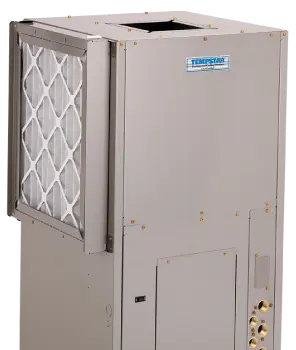
Geothermal System Maintenance in Des Moines, IA
Geothermal systems are engineered for decades of reliable operation—but only when they receive consistent professional maintenance. Unlike traditional air conditioners that degrade gradually, geothermal equipment can experience sudden performance drops if refrigerant charge drifts, loop pressure changes, or compressor efficiency declines. Our annual maintenance program keeps your geothermal system running at peak efficiency, identifies emerging issues before they become expensive failures, and documents performance data so you know exactly what your system is doing and what you're saving on energy costs. Obsidian Heating and Cooling has maintained geothermal systems across Des Moines since 2009. We're veteran-owned and Tempstar Elite Dealer-certified, which means we have direct access to manufacturer performance baselines and can optimize your system to exceed design efficiency ratings.

Up to 15-Year Warranty
Parts & Labor
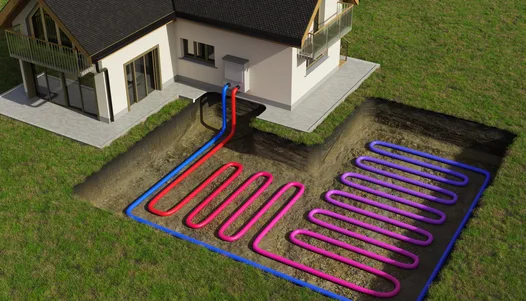
Why Professional Geothermal Maintenance Matters for Long-Term Value
Book Your Annual Geothermal Maintenance Appointment
Annual professional maintenance is the single best investment to protect your geothermal system's long-term performance and efficiency. We'll test your system, document its health, identify emerging issues, and optimize everything for peak operation.
Our Geothermal System Maintenance Procedure
From system history review to performance optimization, every step is handled with precision and care. Here's what to expect when you schedule annual geothermal maintenance with Obsidian Heating and Cooling.
System History Review & Operational Assessment
When you schedule maintenance, we arrive with your system's complete service history—installation records, previous maintenance reports, any emergency repairs, and performance data from prior visits. We review this context before we even touch your system, because historical patterns reveal important information about your equipment's behavior.
Once on-site, we ask you about recent performance: Has the system been heating and cooling consistently? Have you noticed any unusual sounds, odors, or performance changes since last service? Have there been any error codes or thermostat displays that seemed odd? Is your home maintaining setpoint temperature easily? These conversational details combined with historical data help us know what to focus on during testing.
We visually inspect the visible parts of your geothermal system: the outdoor unit casing, any above-ground loop connections and fittings, the indoor heat pump or air handler, thermostat condition, and electrical connections. We look for obvious issues like refrigerant leaks (visible oil staining), corrosion, loose components, or signs of physical damage. We listen to compressor operation—healthy units have a steady hum; unusual grinding, rattling, or hissing suggests bearing wear, loose parts, or refrigerant problems.
What We Review
Complete Maintenance History
Installation records and previous service reports.
Performance Interview
Recent comfort and operation concerns.
Visual Inspection
All visible components and connections.
Compressor Operation
Listening for abnormal sounds or vibration.
Thermostat Function
Display accuracy and control response.
Issue Documentation
Photographing any visible wear patterns.
Pressure & Temperature Testing — The Core of Geothermal Diagnostics
Now we connect our diagnostic manifold to the geothermal system's refrigerant ports and begin systematic testing. We measure high-side and low-side pressures and compare them to manufacturer design specifications. If pressures have drifted, we investigate why: refrigerant charge loss (indicating a slow leak), loop performance degradation (reduced heat transfer to soil), or compressor efficiency decline.
We measure compressor discharge temperature—the temperature of refrigerant leaving the compressor. This single measurement reveals tremendous information: if discharge temperature is too high, the compressor is overheating and working too hard; if too low, liquid refrigerant is returning to the compressor (dangerous for its longevity). We also calculate superheat and subcooling—refrigerant properties that directly indicate whether your system is charged correctly. Superheat and subcooling that are too high or too low trigger corrective adjustments.
We check ground loop pressure and compare it to your system's baseline. For systems with outdoor loop pumps (separate from the compressor), we measure pump discharge pressure and verify it's within normal range. We also check ground loop temperature if your system has monitoring sensors. High loop temperature in summer suggests the loop isn't rejecting heat efficiently to soil; low loop temperature in winter suggests supplemental heating is being used as designed.
Diagnostic Testing
High/Low Side Pressures
Documented and compared to specifications.
Discharge Temperature
Compressor health and efficiency indicator.
Superheat & Subcooling
Refrigerant charge verification values.
Loop Pressure Testing
Ground loop performance assessment.
Electrical System & Control Circuit Verification
With refrigerant diagnostics documented, we test the electrical systems that control your geothermal equipment. We verify thermostat inputs—is the thermostat correctly sensing indoor temperature and communicating setpoint changes to the system? We test the control board, which orchestrates compressor starting, reversing valve operation, backup heating activation, and system shutdown. We use a multimeter to verify voltage levels and check continuity of all critical circuits.
We test the reversing valve—the component that switches your system between heating and cooling. We energize the valve coil, listen for the mechanical click indicating the valve is shifting, and verify that the system correctly transitions between modes. We test backup heating circuits (furnace or electric resistance) to confirm they activate correctly on extremely cold days when geothermal output alone isn't sufficient. We check all electrical breakers and fuses to confirm nothing has tripped or blown. We also inspect the compressor contactor and starter relay to ensure they're functioning properly.
Documentation is critical—we record all electrical test results so we have a baseline to compare against during future maintenance visits. If electrical performance is drifting, we can spot it early and prevent failure.
Electrical Testing
Thermostat Sensor Accuracy
Temperature sensing and communication.
Control Board Operation
System logic and sequencing verification.
Reversing Valve Function
Heating/cooling mode switching test.
Backup Heating Circuits
Emergency heat activation testing.
Voltage Level Verification
All critical circuit measurements.
Performance Documentation
Baseline data for future comparison.
Refrigerant Charge Verification & Adjustment
Based on our pressure testing and superheat/subcooling calculations, we determine if your system's refrigerant charge is optimal. If we've detected a slight charge loss over time (common as seals age gradually), we add refrigerant to restore proper charge. We never overcharge—excess refrigerant damages compressors just as much as undercharge. We add refrigerant carefully, monitoring pressures and superheat/subcooling as we work, and stop when design parameters are reached.
If our pressure testing suggests a possible refrigerant leak (charge loss that shouldn't happen on a sealed system), we investigate further. We may apply ultraviolet dye to the system to trace potential leak locations, or use electronic leak detectors on above-ground connections. Small slow leaks may be marked for monitoring; larger leaks warrant repair to prevent accelerating efficiency loss. We'll advise you if a leak repair is urgent or can be scheduled separately.
Once refrigerant charge is optimized, we run the system through heating and cooling cycles and verify that pressures, temperatures, and superheat/subcooling all settle into design ranges. Properly charged geothermal systems maintain these parameters consistently throughout operation.
Refrigerant Service
Superheat Analysis
Precise charge verification calculations.
Charge Adjustment
Careful refrigerant addition to specifications.
Leak Detection
UV dye and electronic leak testing.
Test Cycles
Heating and cooling operation verification.
Performance Documentation, Optimization & Recommendations
Once testing is complete, we document everything: all pressure readings, temperatures, electrical test results, any adjustments we made, and system performance during test cycles. You'll receive a detailed maintenance report showing exactly what we measured and what condition your system is in. This documentation is valuable over time—you can see performance trends year to year and evidence of how well your system is operating.
If we identified any issues during maintenance—a slowly declining efficiency trend, an electrical component showing wear, a thermostat that needs recalibration, or the beginning of a small refrigerant leak—we'll discuss options. Some items can be corrected immediately; others may be scheduled for follow-up service. We'll advise on urgency based on risk and impact to your comfort and energy bills.
We'll also discuss long-term maintenance strategy. Geothermal systems that receive annual professional maintenance consistently outlive those that don't, because we catch and correct small issues before they become major failures. We recommend annual maintenance every 12 months to keep your system at peak efficiency. We'll schedule your next appointment and remind you when it's time.
Finally, we'll review your system's performance data: estimated energy efficiency, any recommendations for ductwork sealing or thermostat upgrades that could improve overall comfort, and discussion of how your system performed relative to its design specifications.
What You Receive
Detailed Maintenance Report
All measurements and test results.
Issue Identification
Emerging problems ranked by urgency.
Next Service Scheduled
Annual maintenance appointment set.
Performance Trends
Long-term system health analysis.
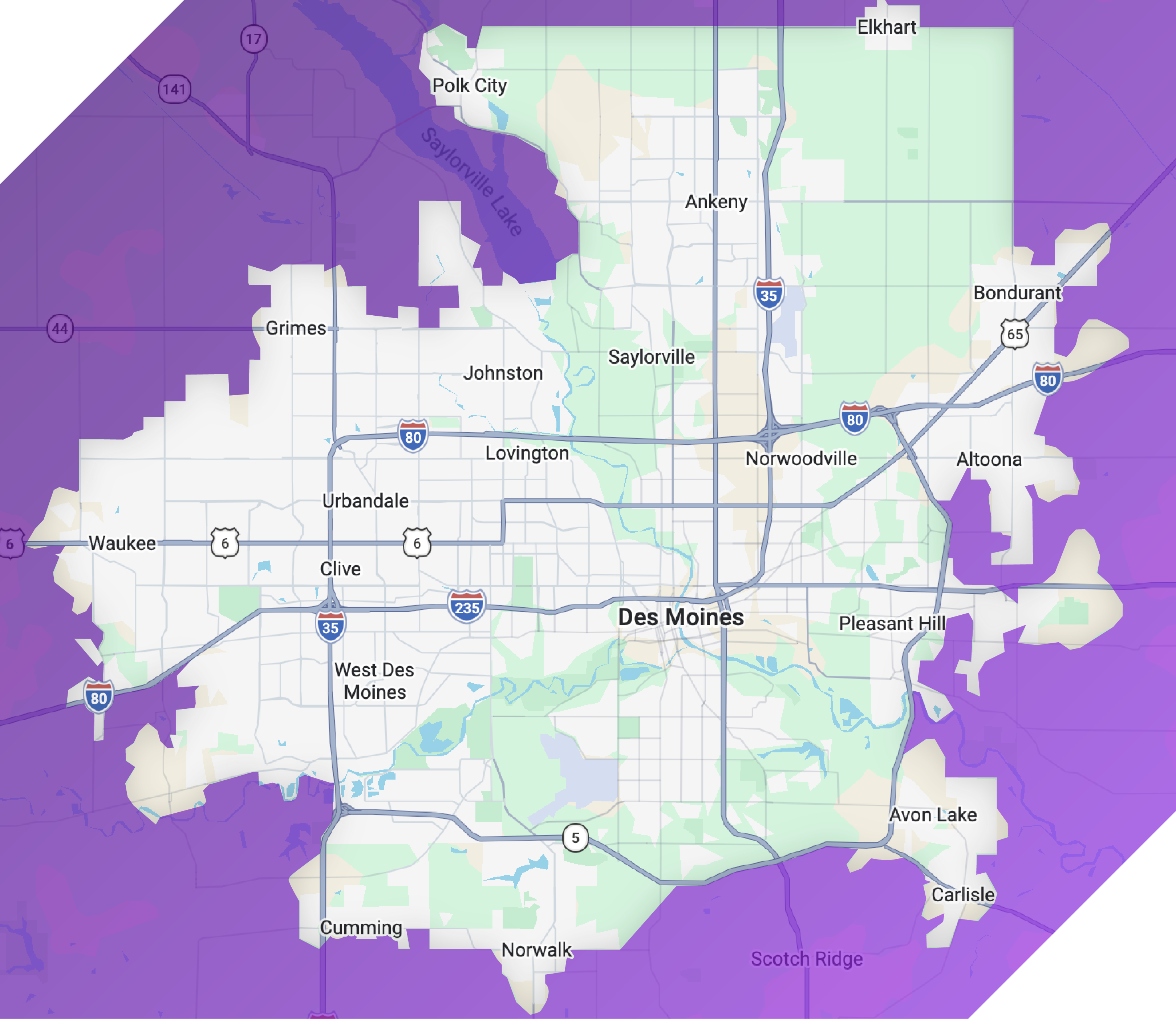
Geothermal System Maintenance Across Central Iowa
We provide professional geothermal maintenance and tune-up service across Des Moines and the surrounding communities, with flexible scheduling to fit your seasonal needs.
Serving Our Neighbors in & Around:
Service Area Details
- Ankeny, IA — Ankeny homeowners rely on our spring and fall maintenance visits to prepare geothermal systems for Iowa's heating and cooling demands. We schedule appointments at your convenience.
- Urbandale, IA — Urbandale residents benefit from our detailed performance tracking and efficiency optimization. We maintain historical records so you can see your system's long-term performance trends.
- Altoona, IA — Altoona geothermal systems receive comprehensive testing during maintenance visits. We identify emerging issues early and keep repair costs low through preventive care.
- Grimes, IA — Growing Grimes includes newer geothermal installations. We maintain them from day one, establishing performance baselines and catching any installation issues that might develop.
- Clive, IA — Clive homeowners with geothermal systems get priority scheduling during peak maintenance seasons (spring and fall). We ensure your system is optimized before each major heating or cooling demand.
Not Sure If We Service Your Area?
We're dedicated to serving Greater Des Moines and our surrounding communities. Give us a call if you're not sure if we come to you—chances are we do.
Comprehensive Geothermal System Care Beyond Routine Maintenance
To maximize your geothermal investment, we offer specialized services that complement regular maintenance.
Geothermal Repair & Emergency Service
If maintenance testing identifies an issue or your system fails unexpectedly, our diagnostic team handles emergency repairs with specialized geothermal expertise.
Geothermal Repair ServicesCentral AC Maintenance
If you also operate a traditional air conditioning system, we provide maintenance for that as well to keep all your comfort systems running smoothly.
AC Maintenance ServicesHeat Pump Maintenance
Air-source heat pump owners benefit from the same rigorous testing and optimization we provide for geothermal systems.
Heat Pump MaintenanceFurnace Maintenance
If your geothermal system includes a furnace as backup heating, we maintain and optimize that independently to ensure seamless operation.
Furnace Maintenance ServicesGeothermal Maintenance FAQs
Keep Your Geothermal System Running at Peak Efficiency
Geothermal heating and cooling systems are sophisticated equipment that demand professional care to maintain their efficiency and reliability. Enrolling in an annual maintenance plan is the difference between a system running optimally and one that loses efficiency year after year—a gap in operating costs that compounds over decades. Beyond energy savings, regular maintenance protects your equipment's lifespan and ensures you're getting the comfort and dependability you paid for when you invested in geothermal.
At Obsidian Heating and Cooling, we've been maintaining geothermal systems across Des Moines and Central Iowa since 2009. We bring the same rigor to maintenance that we brought to your system's installation. We test comprehensively, optimize precisely, and document thoroughly so you have a complete record of your system's health and performance.
Whether your geothermal system is brand new and needs to establish performance baselines, or it's been running for years and needs continued professional care, schedule your annual maintenance visit today. Our team will arrive with diagnostic equipment and expertise, run complete tests, optimize your system, and ensure your geothermal investment keeps delivering maximum efficiency and comfort year after year.
Explore All Geothermal Services
See everything we handle for geothermal systems, or jump straight to a related service.