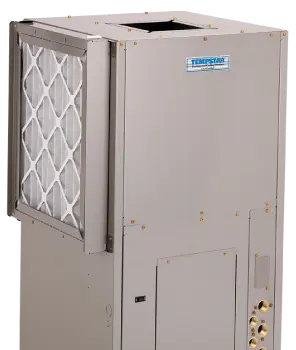
Geothermal System Repair in Des Moines, IA
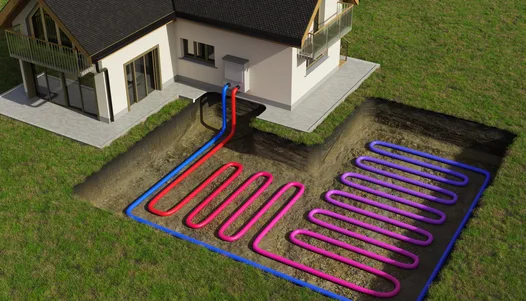
Geothermal systems are among the most reliable heating and cooling solutions available—but when something fails, diagnosis is complex and downtime is costly. Unlike traditional air conditioners, geothermal heat pumps work through an underground loop system, which means problems can't be diagnosed with a basic thermometer. Our veteran-owned team specializes in geothermal diagnostics: identifying loop leaks, refrigerant charge problems, compressor faults, thermostat misconfiguration, and electrical failures that typical HVAC technicians struggle to resolve. We respond to emergency calls across Des Moines with specialized diagnostic equipment and the expertise to get your system back online fast—without guessing, without unnecessary part replacement, and without wasting your money on wrong repairs.

Up to 15-Year Warranty
Parts & Labor
Why Obsidian Technicians Excel at Geothermal System Diagnostics
Get Expert Geothermal Repair Diagnosis Today
Geothermal problems develop gradually—poor cooling or heating performance, unusual compressor noise, or control system errors. We'll run complete diagnostics on your system, identify what's actually broken, and present repair options with honest pricing.
Signs Your Geothermal System Needs Professional Repair
System Won't Heat or Heats Poorly
If your geothermal system produces inadequate heating in winter, several issues could be at fault. Refrigerant undercharge (caused by slow leaks in outdoor loop connections) reduces heat pump efficiency dramatically. Compressor failure prevents the system from cycling at all. Ground loop blockages—caused by ice, sediment, or air pockets—stop heat transfer to soil. Backup electric heat that won't activate leaves you with zero heat on the coldest days. We test loop pressure, compressor discharge temperature, and electrical backup circuits to isolate the failure and restore heat.
System Won't Cool or Provides Weak Cooling
Summer cooling failure usually indicates refrigerant problems (undercharge from leaks) or compressor issues. But geothermal cooling failures have unique causes: ground loop heat rejection isn't working (soil temperature is too high from lack of summer maintenance), the reversing valve is stuck (preventing cooling mode), or the outdoor loop pump has failed. We measure ground loop temperature and compressor pressures to diagnose. If loop performance has degraded, we discuss loop cleaning or system rebalancing.
Compressor Cycles Constantly or Won't Stop Running
If your compressor runs nonstop, it's likely hunting for a setpoint it can't reach—either because refrigerant is low, the loop isn't transferring heat efficiently, or the thermostat is miscalibrated. Constant cycling damages compressor life and wastes energy. We check refrigerant charge, loop heat exchange, and thermostat calibration. Chronic short cycling may indicate a loop refrigerant leak that needs detection and repair.
Strange Noises from Outdoor Unit or Ground Loop Area
Unusual sounds—grinding, rattling, hissing—mean parts are failing. Hissing indicates refrigerant leaks (either in outdoor loop connections above ground or within buried loops). Grinding suggests compressor bearing damage. Rattling points to loose components or vibration isolation problems. We listen, isolate the sound source, and determine if repair is urgent or can wait for scheduled maintenance.
Error Codes on Thermostat or Control System Display
Geothermal systems communicate faults through error codes. Low refrigerant charge, high discharge pressure, compressor overtemperature, reversing valve fault, and ground loop sensor errors all trigger specific codes. We retrieve and interpret those codes, test the circuits they reference, and repair what's actually failing. Don't ignore error codes—they're early warnings that prevent catastrophic failures.
Leaking Water or Refrigerant Around System Connections
Any leak demands immediate attention. Water inside the compressor or refrigerant lines causes corrosion and system failure. We locate the leak source (loop connections, compressor seals, indoor coil), determine if it's repairable or requires component replacement, and perform the repair with full system evacuation and recommissioning.
How Obsidian Diagnoses and Repairs Geothermal Problems
From emergency intake to system recommissioning, every step is handled with precision and care. Here's what to expect when you choose Obsidian Heating and Cooling for your geothermal system repair.
Emergency Intake & Symptom Documentation
When you call with a geothermal problem, we ask specific questions: Is the system running but not heating/cooling? Is it producing heat or cooling at all? When did you last notice normal operation? Any unusual sounds, odors, or error codes? What's your current indoor temperature? These details help us prioritize your call—a system with zero heat in January gets faster response than one with weak cooling in May.
We schedule a service visit and arrive with full diagnostic equipment. We review your system's installation records (if we installed it), maintenance history, and previous repairs. We ask to see your thermostat display and any error codes. We listen to the compressor and loop pump—mechanical noise tells us something immediately.
What We Document
Problem Timeline
When the problem started and current performance.
Installation Records
Review installation records and maintenance history.
Error Code Display
Examine thermostat screen and error code display.
Compressor Operation
Listen to compressor and pump operation.
Backup Heating
Check if backup heating (furnace or electric) is functioning.
Pressure Testing & Ground Loop Diagnostics
Now we pull gauges and begin systematic testing. We connect our diagnostic manifold to the compressor's high and low pressure ports and compare actual pressures to design specifications. Pressures that are too high indicate refrigerant overcharge, poor loop heat rejection, or compressor discharge problems. Pressures that are too low suggest refrigerant undercharge, typically from slow leaks.
We measure ground loop pressure and temperature. If you have an outdoor loop pump (separate from the compressor), we check its discharge pressure and volume. We look for leaks in above-ground loop connections—a slow drip or liquid pooling around fittings reveals the leak source. For buried loop leaks (harder to spot), we use nitrogen pressure testing: we pressurize the loop with dry nitrogen and measure pressure drop over time. Rapid pressure loss means a leak; stable pressure means the underground loop is intact.
Testing Procedures
Pressure Documentation
Connect gauges and document high/low side pressures.
Specification Comparison
Compare actual pressures to manufacturer design specifications.
Loop Pump Testing
Measure loop pump discharge pressure and flow rate.
Temperature Monitoring
Check ground loop temperature (if sensors are installed).
Compressor & Electrical System Testing
With loop diagnostics complete, we test the compressor itself. We measure discharge temperature—this is the temperature of refrigerant leaving the compressor. If it's too high, the compressor is working too hard, which damages it. If it's too low, refrigerant may be flooding back into the compressor (inadequate superheat), which also damages it. Abnormal discharge temperatures point to charge problems, motor overheating, or valve failures.
We test the reversing valve (the component that switches the system between heating and cooling). A stuck reversing valve prevents heating or cooling mode—you're locked in one direction. We energize the coil and listen for the mechanical click that indicates the valve's shifting. We also test thermostat continuity, control board operation, backup heating circuits, and compressor contactor function with a multimeter. Electrical faults here prevent the compressor from starting or cycling properly.
Electrical Testing
Discharge Temperature
Measure compressor discharge temperature.
Reversing Valve
Energize and test reversing valve operation.
Electrical Circuits
Verify thermostat inputs and control board outputs with a multimeter.
Leak Detection & Repair Plan
If loop pressure testing or above-ground inspection revealed a leak, we pinpoint the exact location. For above-ground leaks (compressor connections, loop termination points), we use a refrigerant leak detector (electronic sniffer or UV dye). We trace the leak to its source—often a loose fitting, a cracked coupling, or a failed seal.
For buried loop leaks, we document the pressure loss rate and discuss options: small slow leaks may be monitored; large or rapid leaks require loop isolation and repair. If a vertical loop has a slow leak deep underground, repair may involve drilling a parallel loop and abandoning the leaking loop—we'll explain cost and timeline. If a horizontal loop has a puncture, we may isolate that section and reroute the circuit.
Leak Detection Methods
Electronic Detection
Use electronic leak detectors to pinpoint refrigerant escape.
Leak Documentation
Document leak location and severity.
Repair Options
Discuss repair options (fitting replacement vs. loop isolation vs. loop replacement).
Written Estimate
Provide written repair scope and transparent pricing.
Repair Execution, Evacuation & System Recommissioning
Once you approve the repair, we execute it. For refrigerant leaks, we recover all refrigerant from the system (to EPA standards), remove and replace the leaking component, install new fittings or connections as needed, and pressure-test the repair with nitrogen before any refrigerant touches the system.
After the leak is sealed, we perform a deep evacuation: we connect our vacuum pump and pull the system down to a deep vacuum (below 500 microns) to remove all moisture and air. Moisture in the system destroys compressor oil and causes acid corrosion—proper evacuation is non-negotiable. We hold the vacuum for at least 30 minutes to confirm no leaks develop under vacuum.
Repair Process
Refrigerant Recovery
Recover all refrigerant to EPA environmental standards.
Component Replacement
Replace or repair the failed component.
Deep Evacuation
Perform deep system evacuation (below 500 microns, 30+ minutes hold time).
System Recharge
Recharge with correct refrigerant type and quantity.
Geothermal Repair FAQs
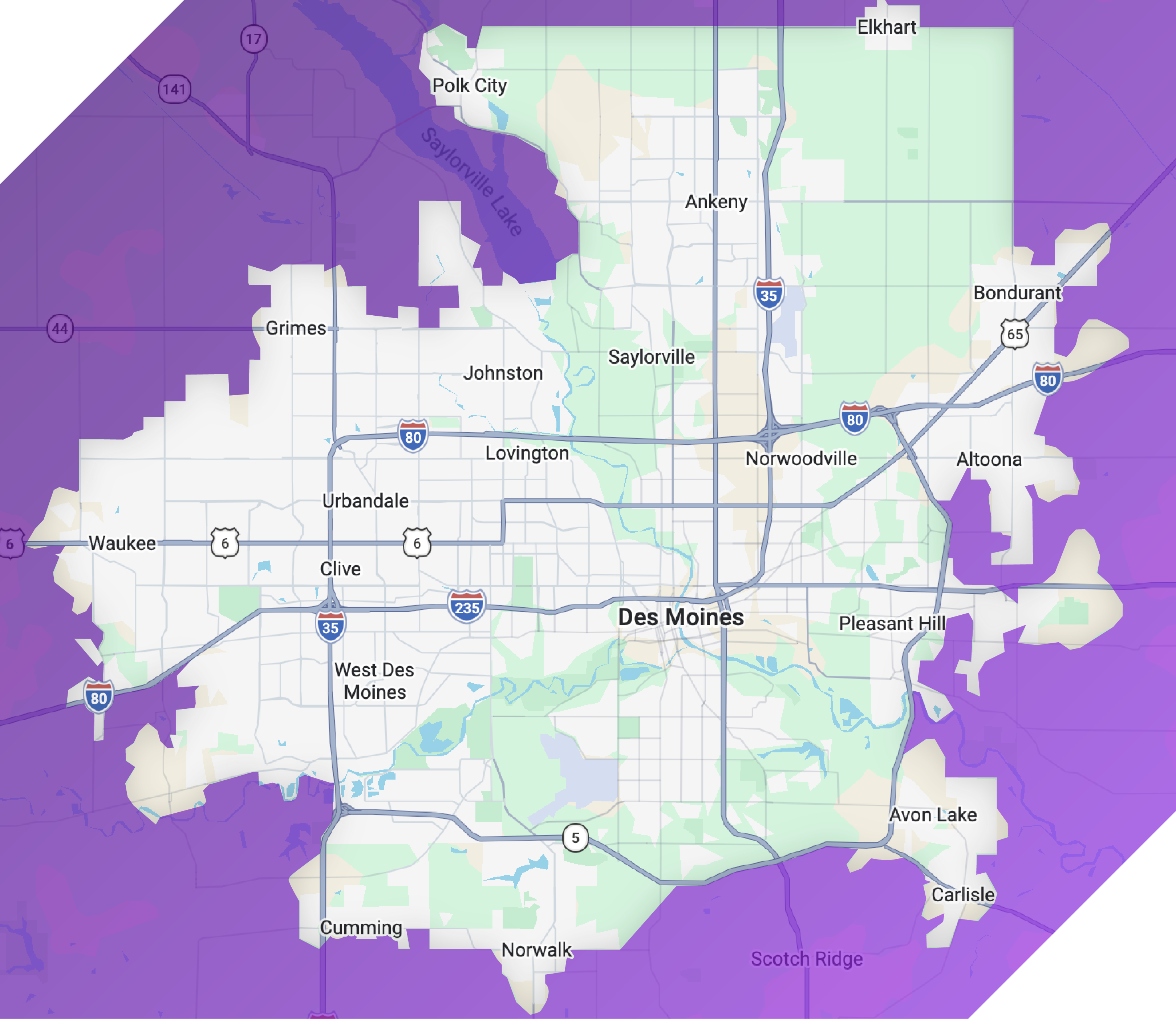
Geothermal Repair Across Central Iowa
We provide emergency geothermal repair and diagnostics across Des Moines and surrounding communities, with same-day response on critical heat loss calls.
Emergency Service Available In:
Ankeny, IA
We respond to Ankeny emergency calls with full geothermal diagnostic equipment and can usually complete repairs the same day.
Urbandale, IA
Urbandale homes with geothermal systems get priority scheduling when heat or cooling fails. We carry refrigerant and commonly needed parts on our service trucks.
Altoona, IA
Altoona residents with geothermal heat loss don't wait for parts—we stock major components and can often repair the same day we diagnose.
Keep Your Geothermal System Running Efficiently
Beyond emergency repair, we offer preventive and complementary services to optimize geothermal performance.
Geothermal Maintenance & Tune-Up
Annual professional maintenance prevents most repairs. We test pressures, optimize performance, and catch problems early.
Schedule Geothermal MaintenanceHeat Pump Repair
If your air-source heat pump is down and geothermal isn't available, we repair those systems too.
Get Heat Pump RepairFurnace Repair
Backup furnace or standalone heating system problems—we handle emergency repairs there as well.
Schedule Furnace RepairCentral AC Repair
Summer cooling failures from any system get same-day response.
Get AC Repair ServiceFast, Transparent Geothermal Repair When You Need It Most
Geothermal system failures are inconvenient—and when they happen in the middle of winter or summer, they're urgent. Our team responds with specialized diagnostic equipment, factory-certified expertise, and honest repair pricing. We identify the actual problem, explain your repair options, and execute the fix with precision and care.
We've been diagnosing and repairing geothermal systems across Des Moines and Central Iowa since 2009. We know how these systems work, what fails, and how to get them back online fast. We don't guess, we don't oversell repairs, and we don't charge for unnecessary parts.
Whether your system is showing weak heating or cooling, making strange noises, displaying error codes, or completely offline, we're ready to help. Call us immediately for emergency service, or schedule a diagnostic visit to understand what's happening with your geothermal system.
If repair costs are substantial, flexible financing options spread the cost over time while you restore comfort. If you're weighing repair against replacement, our guide to Iowa geothermal tax credits covers incentives available on a new system.
Annual geothermal maintenance prevents emergency repairs and keeps your system running at peak efficiency.
Explore All Geothermal Services
See everything we handle for geothermal systems, or jump straight to a related service.