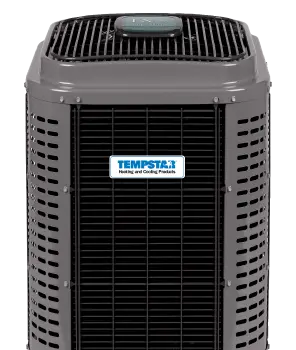
Heat Pump Maintenance & Seasonal Tune-Ups in Des Moines, IA
A heat pump works harder than traditional HVAC systems—it heats your home all winter, cools it all summer, and runs on a complex logic that switches between two operating modes. This year-round demand means maintenance isn't optional; it's essential. Obsidian Heating and Cooling has been keeping Des Moines heat pump systems running efficiently since 2009. We're a veteran-owned business and Tempstar Elite Dealer, and we believe that seasonal tune-ups before heating and cooling seasons are the best insurance against emergency failure. Spring inspections prepare your system for summer cooling. Fall inspections prepare it for winter heating. Together, they keep your heat pump running at peak efficiency, lower your energy bills, and extend your system's life by years.

Up to 15-Year Warranty
Parts & Labor
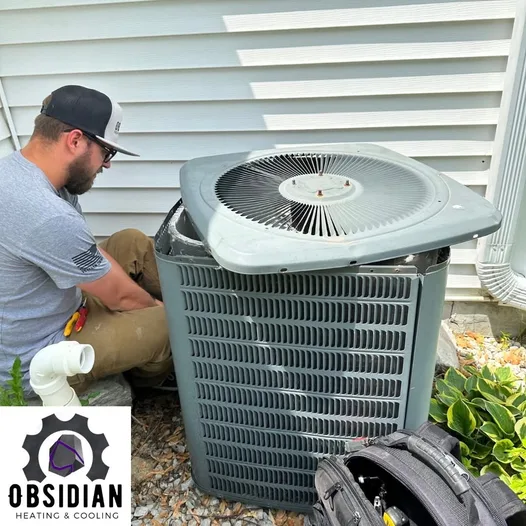
Why Heat Pump Maintenance Is Different and Critical
Book Your Seasonal Heat Pump Maintenance Now
Spring and fall are the ideal times to prepare your system for the demands ahead. Don't wait for a failure:
Heat Pump Maintenance & Seasonal Testing Protocol
From initial assessment to final testing, every step is designed to ensure your heat pump is ready for the season ahead. Here's what to expect when you choose Obsidian Heating and Cooling for your seasonal maintenance.
Pre-Service Assessment & Mode Preparation
When you contact us to schedule maintenance, we ask about your system's performance in the season just ending: Did heating work well in winter? Was cooling adequate in summer? Have you noticed any noise, cycling issues, or efficiency changes? This helps us prepare diagnostic focus areas and bring appropriate tools.
We schedule spring maintenance in late April or early May, before peak cooling season, so your system is optimized for summer heat. Fall maintenance is scheduled in September or October, before heating season, so your system is ready for winter demands. We also note whether you have a furnace backup or supplemental electric resistance heat—this affects our testing protocol.
What We Prepare
Performance History
Season-just-ending performance to identify patterns.
Equipment Details
Equipment details and previous service history.
Convenient Scheduling
Scheduled at a time convenient for your family.
Specialized Tools
Heat pump diagnostic tools prepared in advance.
Backup Heat Review
Whether supplemental heat backup is available.
Safety & System Integrity Assessment
Our technician arrives with comprehensive diagnostic equipment. First, safety: we check for refrigerant leaks around indoor and outdoor coils, verify electrical connections are secure, and confirm the outdoor unit is level and stable. Heat pump failures often reveal themselves through oily residue, corrosion, or visible damage.
Next, system integrity: we visually inspect the indoor air handler, outdoor heat pump unit, ductwork, and all connections. We check the defrost drain line (heat pumps produce condensate during defrost) and verify it's flowing. We confirm the condensate pan isn't backing up. We check all electrical connections for corrosion or looseness. We assess the outdoor unit for debris, ice (if in heating season), or coil blockage. These visual inspections often reveal problems before they become failures.
Safety Inspection Points
Refrigerant Leak Check
Visible refrigerant leaks or oily residue.
Electrical Connections
All electrical connections for corrosion or looseness.
Unit Stability
Outdoor unit is level and properly mounted.
Defrost Drain
Defrost drain and condensate pan condition.
Ductwork Inspection
Ductwork for visible leaks or disconnections.
Coil Blockage
Outdoor coil for debris, ice, or blockage.
Heating Mode & Cooling Mode Testing (Seasonal)
This is where heat pump maintenance differs fundamentally from AC maintenance. We test the system in the opposite mode from the season that just ended. In spring (before cooling), we might run a brief heating test to verify the reversing valve switches correctly, even though heating season is over. In fall (before heating), we extensively test cooling mode to make sure the system can cool if we get a late warm spell.
We attach manifold gauges to test refrigerant pressures in both heating and cooling configurations. We measure temperature differentials across coils in both modes. We verify the reversing valve switches smoothly. We confirm that supplemental electric heat engages only when needed (fall testing) and doesn't engage unnecessarily (spring testing). This dual-mode testing takes more time than single-season maintenance but ensures complete system reliability.
Dual-Mode Testing
Heating Mode Pressures
Low and high refrigerant pressures in heating mode.
Cooling Mode Pressures
Low and high refrigerant pressures in cooling mode.
Temperature Differential
Temperature differential across coils in both modes.
Reversing Valve
Reversing valve switches smoothly both directions.
Check Valve Function
Heat pump-specific component function.
Factory Specifications
All readings against factory specifications.
Defrost Control & Supplemental Heat System Testing (Seasonal)
In fall (before heating), we test the defrost control system—this is critical for winter performance. We verify the outdoor coil temperature sensor is reading accurately. We confirm the control board is timing defrost cycles appropriately. We test whether defrost engages when needed and releases properly when done. We also test supplemental electric resistance heat: does it activate when temperatures drop below the compressor's efficient range? Does it cut off when no longer needed?
In spring (before cooling), we verify these systems are disarmed and won't interfere with cooling operation. A defrost cycle engaging during summer cooling would be a serious malfunction.
Seasonal System Testing
Coil Temperature Sensor
Outdoor coil temperature and verify sensor accuracy.
Defrost Control Board
Control board relay and timing function.
Defrost Thresholds
Defrost engages at appropriate temperature thresholds.
Supplemental Heat Element
Supplemental heat element electrical continuity.
Resistance Heat Activation
Resistance heat activates only when programmed.
Backup Furnace
Whether backup furnace (if present) is operable.
Electrical Components & Coil Conditioning (Seasonal)
The electrical side includes the thermostat, contactor (outdoor relay), capacitor (startup boost), transformer (voltage step-down), and control board. We test each component to verify proper operation. We use a multimeter to measure voltage at critical points. We use a dedicated capacitor tester to detect early capacitor failure—a failing capacitor might show no symptoms but can fail catastrophically during high-demand season.
We also inspect all electrical connections for corrosion and clean corroded terminals. Corroded connections increase resistance, force the compressor to work harder, and waste energy. While we're there, we clean the outdoor condenser coil with professional equipment—gentle enough not to damage fins, powerful enough to remove years of accumulated dust and pollen. A clean coil transfers heat far more efficiently.
Electrical & Coil Service
Voltage Testing
Voltage at thermostat, outdoor contactor, and transformer.
Capacitor Testing
Run capacitor with a dedicated meter.
Contactor Verification
Contactor is switching properly and holding contact.
Terminal Cleaning
Clean corroded electrical terminals and tighten loose connections.
Coil Cleaning
Clean outdoor condenser coil with professional equipment.
Compressor Amperage
Inspect compressor for proper amperage draw.
Refrigerant Charge & Pressure Baseline (Seasonal)
Modern heat pumps are factory-sealed. If refrigerant charge is low, there's a leak. We measure system pressures under operating load and compare them to factory specifications. We note whether pressures are normal (no leak), low (slow leak developing), or high (blockage or overcharge from prior service). We establish a baseline reading for future reference.
If we detect a slow leak, we use electronic leak detectors to help identify the source. Small leaks at solder joints can often be sealed. Larger leaks in coils might require component replacement. We discuss findings honestly and let you decide on timeline and cost. Many homeowners choose to monitor slow leaks through regular maintenance rather than replace components immediately.
Refrigerant System Analysis
Operating Pressures
Low and high side pressures under operating load.
Factory Specifications
Compare readings to manufacturer specifications.
Baseline Readings
Baseline pressures for future maintenance comparison.
Electronic Leak Detection
Electronic leak detection if pressures are low.
Findings Discussion
Discuss findings and recommend repair timeline if leaks detected.
Service Documentation
Document all pressure readings on your service record.
Airflow Verification & Filter Assessment (Seasonal)
Airflow is critical for heat pump efficiency. We test pressure drop across your air filter and coil to assess whether airflow is restricted. A clogged filter reduces efficiency and can cause the indoor coil to freeze in cooling mode or reduce heating capacity. We recommend the proper filter size and MERV rating and discuss changing frequency—typically monthly during heavy-use seasons, less often in shoulder seasons.
We also verify that all supply and return vents are clear and unblocked. A blocked return vent forces the system to work harder and reduces efficiency. Blocked supply vents mean some rooms don't get adequate heating or cooling. We check the ductwork for visible leaks or disconnections and discuss sealing or repair if needed.
Airflow System Assessment
Pressure Drop Testing
Airflow pressure drop across filters and coils.
Filter Assessment
Current air filter condition and life remaining.
Replacement Schedule
Filter replacement frequency for your specific needs.
Vent Verification
All supply and return vents are clear.
Ductwork Inspection
Ductwork for visible leaks or disconnections.
Sealing Benefits
Discuss duct sealing benefits if blockage is detected.
Findings, Education & Next-Step Planning (Seasonal)
Once inspection and testing are complete, we sit down and walk through our findings. We explain what we found, what we cleaned, what we tested, and what it means for your heating and cooling going forward. You'll receive a detailed service report that includes all pressure readings, inspection findings, what we cleaned, and recommendations for any additional work.
If we found any developing issues—a capacitor showing early signs of failure, a slow refrigerant leak, slightly low pressures—we'll discuss timeline and cost. We'll recommend your next maintenance appointment (typically six months away) and discuss options for joining our maintenance plan for automatic scheduling and priority service. You'll also get our emergency contact information and clear guidance on what to watch for until your next service.
Service Completion
Findings Review
Review all findings and explain what we cleaned and tested.
Written Service Report
Detailed written service report with measurements and observations.
Repair Timeline
Discuss any developing issues and repair timeline options.
Monitoring Guidance
Explain what to watch for until your next service appointment.
Next Maintenance
Schedule your next seasonal maintenance (six months away).
Maintenance Plan
Discuss joining our maintenance plan for automatic scheduling.
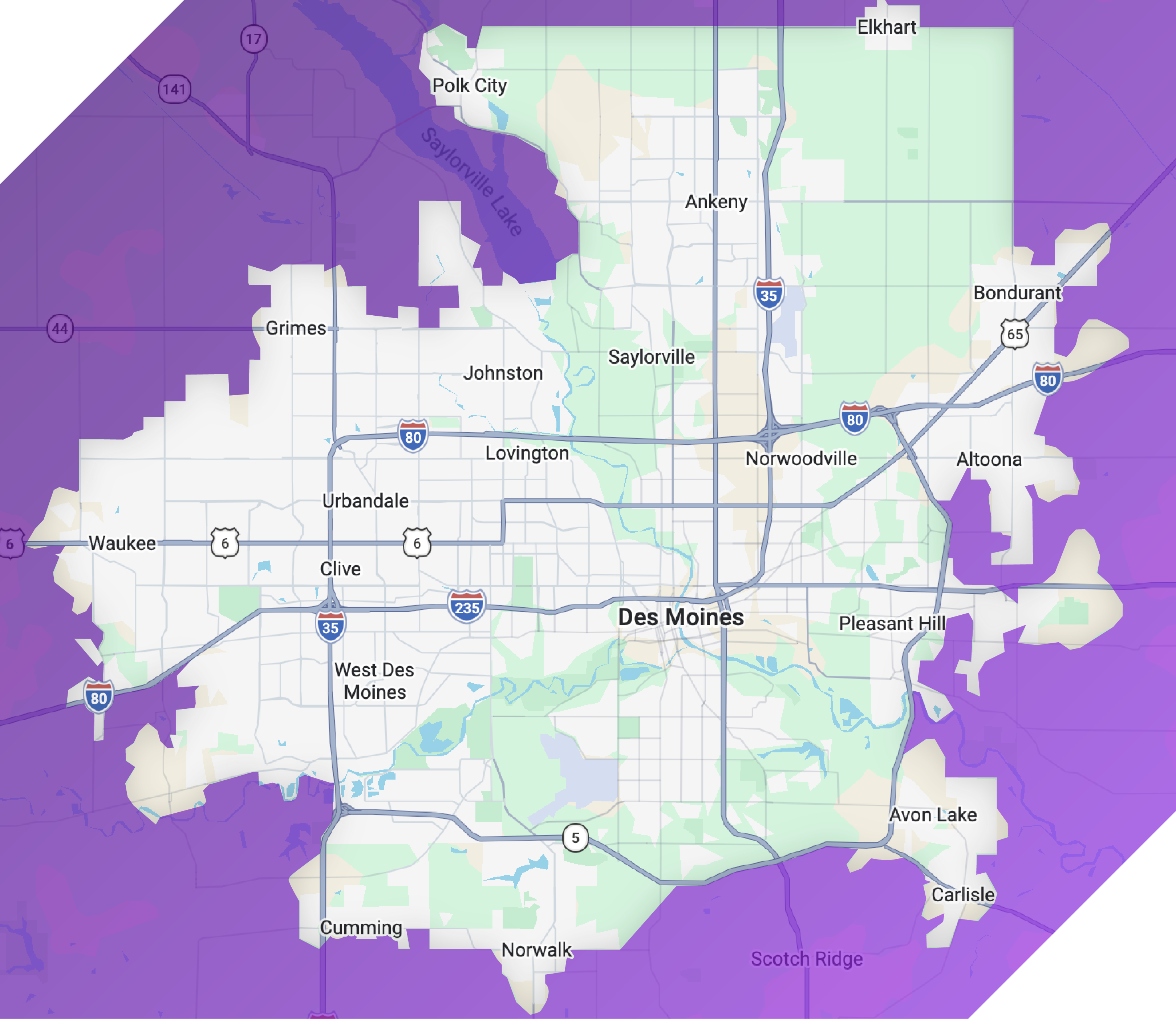
Heat Pump Maintenance Throughout Des Moines
We provide professional spring and fall maintenance service across the Des Moines metro for heat pump systems.
Serving Our Neighbors in & Around:
Not Sure If We Service Your Area?
We're dedicated to serving Greater Des Moines and our surrounding communities. Give us a call if you're not sure if we come to you—chances are we do.
Ankeny, IA
North metro Des Moines heat pump owners trust us for seasonal maintenance and tune-ups. We schedule efficiently across Ankeny's neighborhoods to serve you in your preferred appointment window.
Heat Pump Maintenance in AnkenyUrbandale, IA
We provide maintenance service throughout northwest Des Moines and Urbandale. Our technicians are familiar with the area's climate demands and have maintained thousands of heat pump systems in the region.
Heat Pump Maintenance in UrbandaleAltoona, IA
Southeast of Des Moines, we schedule regular heat pump maintenance for homeowners preparing for cooling or heating seasons. Our seasonal scheduling ensures your system is always ready.
Heat Pump Maintenance in AltoonaGrimes, IA
North of Des Moines, Grimes residents join our maintenance plan for automatic spring and fall service. We maintain fast scheduling to fit your preferences throughout the year.
Heat Pump Maintenance in GrimesClive, IA
West of Des Moines, we serve Clive's neighborhoods with consistent, reliable heat pump maintenance that keeps systems efficient year-round.
Heat Pump Maintenance in CliveSupport Services to Complement Your Heat Pump Care
Beyond seasonal maintenance, we offer complete heat pump support.
Heat Pump Repair & Emergency Service
If something goes wrong between maintenance visits, we diagnose and repair quickly. 24/7 emergency availability during heating and cooling seasons.
Heat Pump Repair ServiceHeat Pump Installation & Replacement
If your heat pump is aging or failing, we design and install new systems optimized for Iowa's climate demands.
Heat Pump InstallationFurnace Maintenance
If you have a furnace as supplemental heating backup, we maintain both systems for complete comfort coverage.
Furnace MaintenanceIndoor Air Quality Service
Keep your filters, UV lights, and dehumidifiers operating efficiently alongside your heat pump.
Indoor Air Quality SolutionsBoiler Maintenance
If you use radiant heating, we service boiler systems to keep them efficient and reliable.
Boiler MaintenanceFrequently Asked Questions About Heat Pump Maintenance
Start Your Seasonal Heat Pump Maintenance Schedule
Your heat pump works year-round to keep your home comfortable. It deserves seasonal attention—testing, cleaning, and optimization before each major heating and cooling demand arrives. Obsidian Heating and Cooling makes heat pump maintenance simple, affordable, and worry-free.
Our veteran-owned team has been maintaining Des Moines-area heat pump systems for 15 years. We're Tempstar Elite Dealers with manufacturer training and direct factory support. Whether you need spring and fall tune-ups or want the convenience and savings of our maintenance plan, we're here to help you get the most from your heat pump investment.
Explore All Heat Pump Services
See everything we handle for heat pump systems, or jump straight to a related service.